Married on a Tuesday
- Kaye
- 2 hours ago
- 3 min read
Long before SZILE had a name, I had my own version of a wedding that didn't quite look like one.
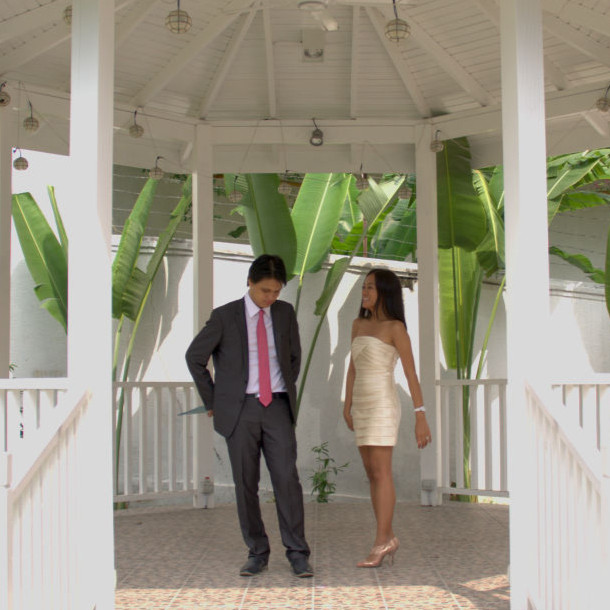
We were living in Malaysia at the time. My husband and I had spent months sorting through the legal requirements, flying between Manila and Kuala Lumpur, when we realised some of our documents were due to expire within a week. So suddenly, we were getting married. We booked the Philippine Embassy in Kuala Lumpur for three o'clock on a Tuesday.
That gave us a week to organise everything. His suit. My shoes. The rings. A hotel. Somewhere for dinner. And, of course, the dress. I designed mine quickly, short, structured and made from layers of pleats. It wasn't what most people would picture when they thought of a wedding dress, but I still wanted it to feel significant. More importantly, I wanted to be able to move in it. I needed to walk, sit, have dinner, have drinks and stay in it for the whole day without feeling as though the dress was dictating what I could do.
On the afternoon of the wedding, we walked from our hotel to the embassy and said "I do" inside with a small group of friends. Those same friends took our photographs afterwards in the embassy garden. Then we walked back to the hotel for drinks at the sky bar, went out for dinner and eventually returned for more drinks. There was no aisle, no bridal party and no grand entrance.
At one point, someone in the hotel lift complimented my dress. She had no idea I had just been married in it, and I still think about that moment. I liked that the dress felt important without having to announce what it was. To a stranger, it was simply a beautiful dress. To me, it carried the weight of the day.
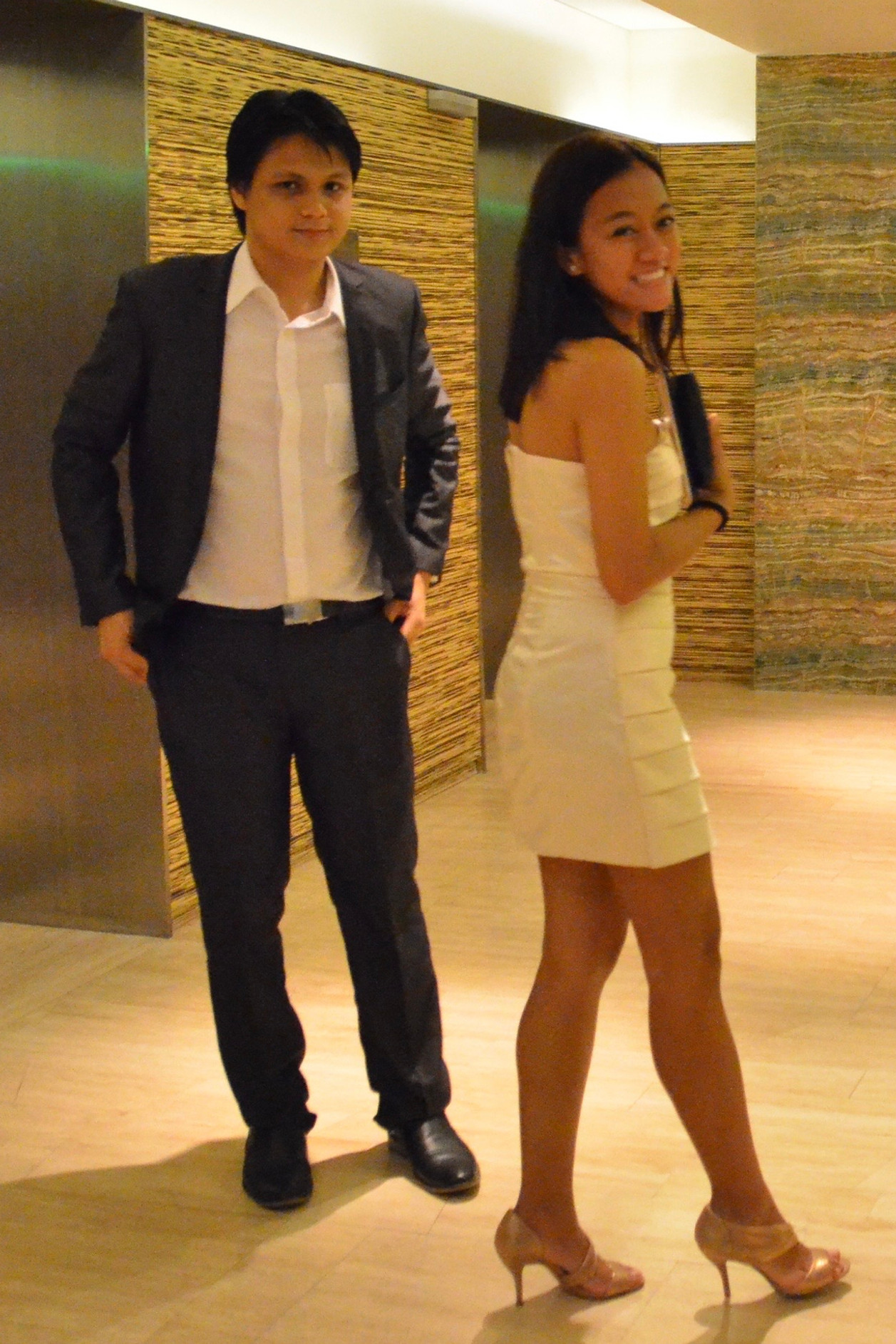
Looking back, I can see something of SZILE beginning there, not because I left the embassy knowing I would one day create a bridal label, I didn't, but because I had already started asking a question that still interests me now: what does a wedding dress need to be when the wedding itself doesn't follow the expected script?
A wedding might happen at a registry office, in a garden, on a cliff, in another country or on a Tuesday afternoon. It might have ten guests or two hundred. None of those choices make it more or less meaningful, they simply change the shape of the day, and the shape of the dress should respond to that.
A traditional gown can be designed around a particular kind of ceremony, the entrance, the aisle, the formal portrait, and for that wedding it can be exactly right. But other weddings move differently. There is the walk from the hotel, the stairs, the taxi, the lunch that becomes dinner, the wind outside, the crowded lift, the drinks afterwards, the journey home. I'm interested in dresses that can move through all of that.
For SZILE, that freedom begins in the cut. A panel might sit deliberately off centre so the fabric falls differently on each side of the body. A sheer layer can move over something more structured beneath it. Fabric might twist into an asymmetric soft bow at the back. A fold can continue into a train. A hem might stop well above the knee. Even the seams can change the way a garment feels, curved around the body, shifted away from where you expect them or used to create tension between structure and movement. I like drama, but I want it to come from the garment itself, and every detail should have a reason to be there. It should alter the silhouette, the movement, the balance or the way the fabric behaves on the body. It doesn't need to exist simply to make a dress look more "bridal."
Maybe that goes back to the dress I made for myself. I didn't want to spend my wedding day managing it. I wanted to walk through Kuala Lumpur in it, sit down for dinner, have a drink, laugh with and forget about the dress every now and then. I wanted to feel special without feeling disguised, and that idea has stayed with me since.
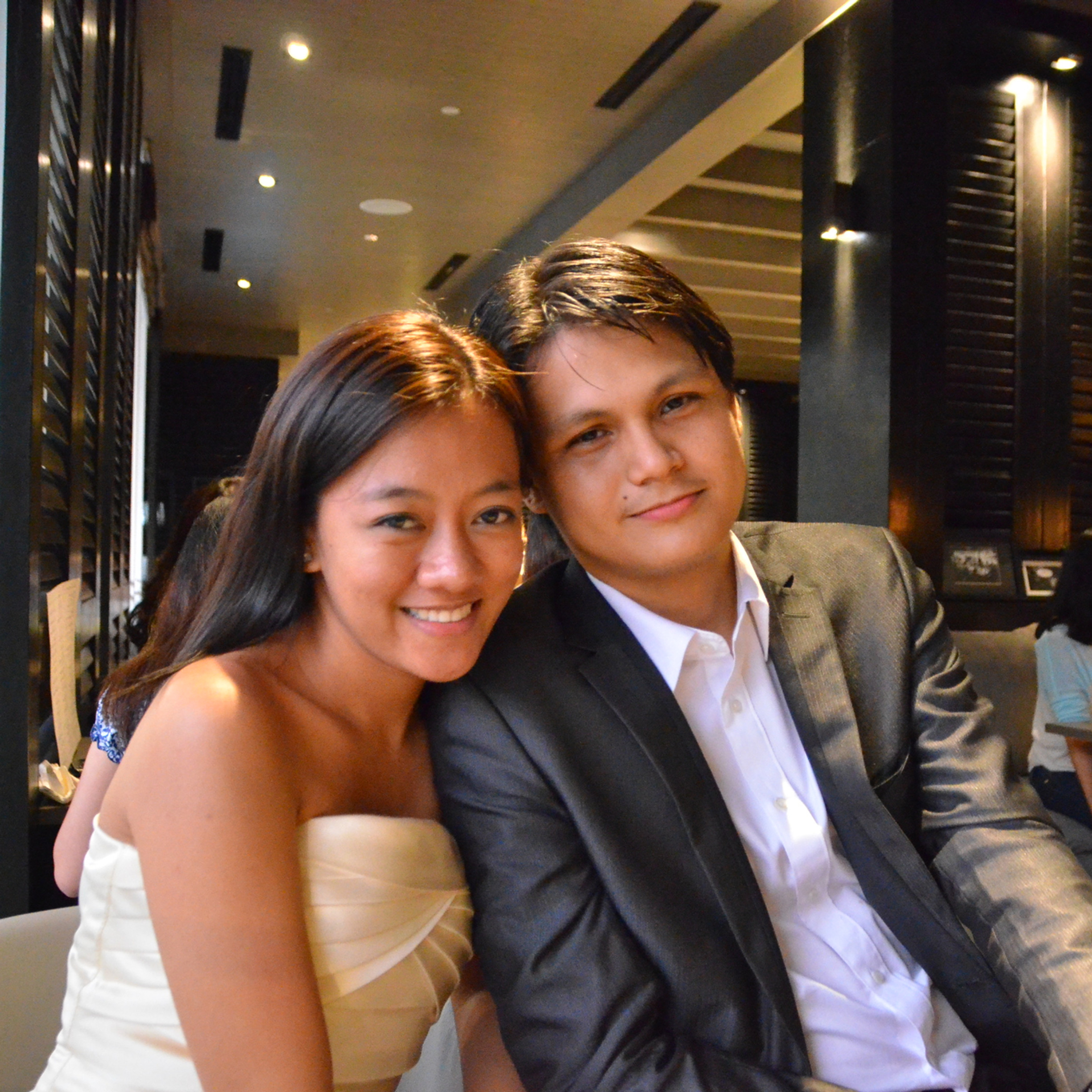
I still have my wedding dress. It came with me when I moved to Australia, and years later I still put it on for our anniversary. Perhaps that's the simplest way I can explain what I want a SZILE wedding dress to be, not something made only for the moment you say "I do," but something that still belongs to you afterwards.

Comments